Herbs, microgreens, and a handful of compact peppers do genuinely well indoors with nothing more than a bright window or a modest grow light. Most everything else — tomatoes especially — is fighting the space the whole way.
What actually performs indoors
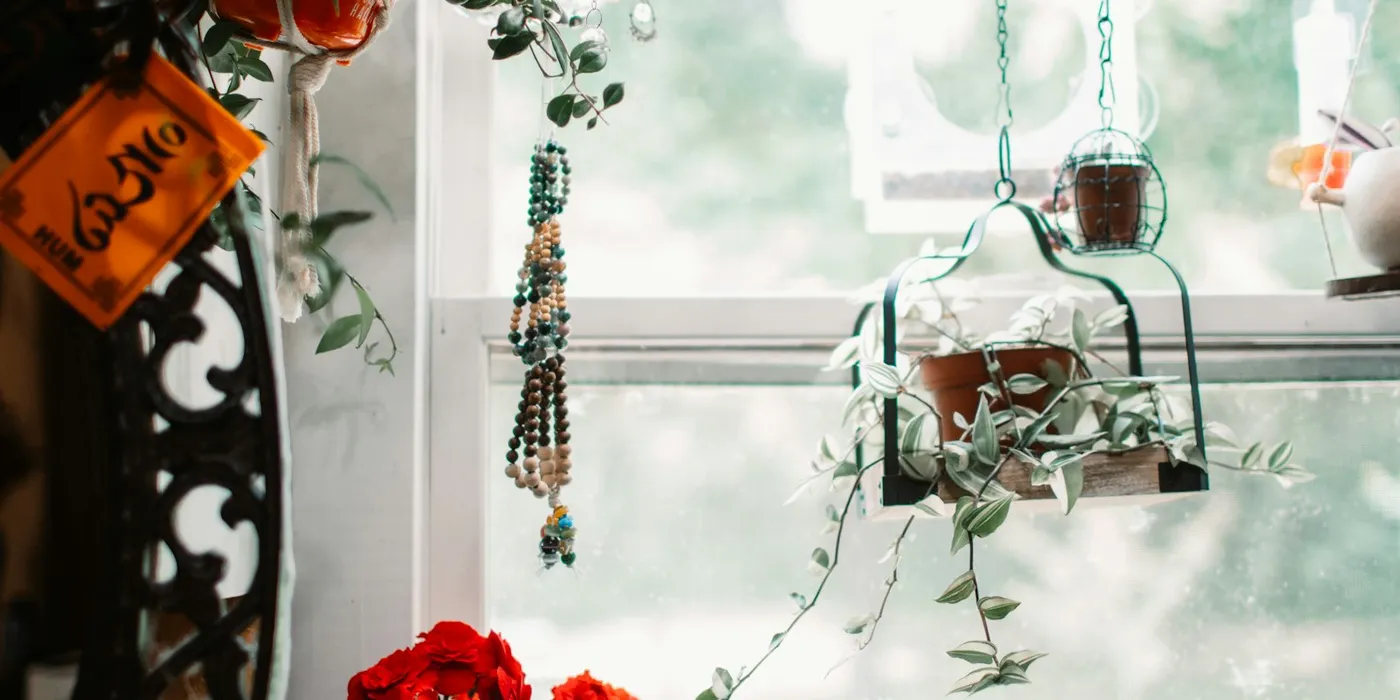
Culinary herbs are the easiest win: basil, mint, chives, and parsley all tolerate the lower light levels of an indoor window and reward you within weeks. Microgreens go further — grown from seed to harvest in ten to fourteen days under almost any light source, they’re closer to a kitchen staple than a garden project. Compact pepper varieties bred for containers are the ceiling of what’s reasonable without supplemental lighting.
Where people waste a pot
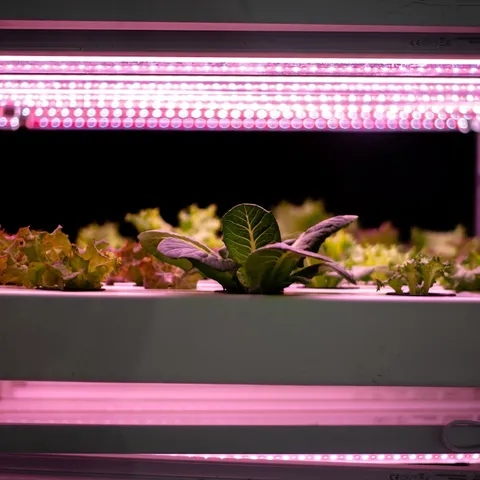
Full-size tomatoes are the classic mistake: they want far more light than a window provides, they get leggy reaching for it, and a single healthy plant needs more root volume than most people are willing to give up on a countertop. Leafy greens like lettuce are a closer call — they’ll survive indoors but rarely thrive without a dedicated grow light, and most people find the payoff not worth the counter space compared to herbs.
The light question
A south-facing window is enough for herbs in most climates through spring and summer; everything else benefits from a small supplemental LED, particularly through winter. The single upgrade with the best return is almost always light, not soil, pot size, or fertilizer — get the light right and most other mistakes become forgivable.