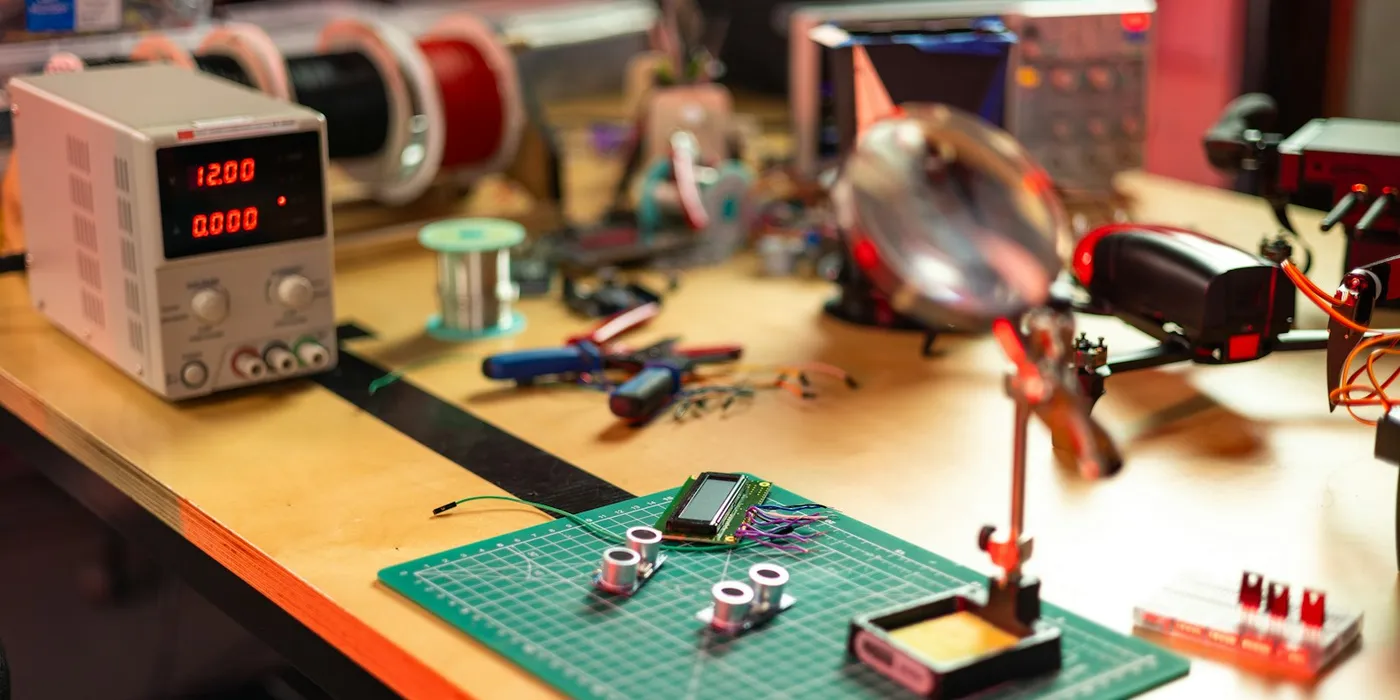
Some of the most inventive growing hardware never touches a retail shelf — it lives on GitHub and in maker-space show-and-tells. A few recurring themes stand out: 3D-printed fittings replacing proprietary hydroponic parts, webcam-based germination monitors, and seed-starting rigs built around recycled aquarium heaters.
Replacing proprietary parts
Hydroponic systems live and die by their fittings — drip emitters, manifold splitters, net-cup adapters — and the commercial versions are often overpriced for what amounts to a few grams of injection-molded plastic. The maker response has been to publish parametric CAD files for the same parts, sized to standard tubing diameters, so anyone with a $200 printer can replace a broken fitting for the cost of the filament instead of waiting on a manufacturer’s replacement-parts page.
Watching seeds germinate, remotely
A second recurring project type: a webcam pointed at a seed tray, running time-lapse capture or simple change-detection, so a grower can check germination progress without opening a humidity dome dozens of times a day. The better versions log timestamped photos to a local folder rather than a cloud service, which keeps the whole project usable indefinitely without a subscription.
Built from what’s already in the garage
The most charming projects in this space are the ones built from repurposed parts — aquarium heaters providing bottom heat for seed trays, old computer fans repurposed for air circulation, a discarded fish tank turned into a germination chamber. None of it is groundbreaking engineering, but it’s a good reminder that a lot of growing technology doesn’t need to be purchased new to work well.