Before you automate a single valve or relay, you need to know what’s actually happening in the growing environment — and most of that comes down to five measurements: soil or substrate moisture, root-zone temperature, ambient temperature and humidity, light intensity (PAR, not just lux), and CO₂ where growing space is enclosed.
Start with moisture and light
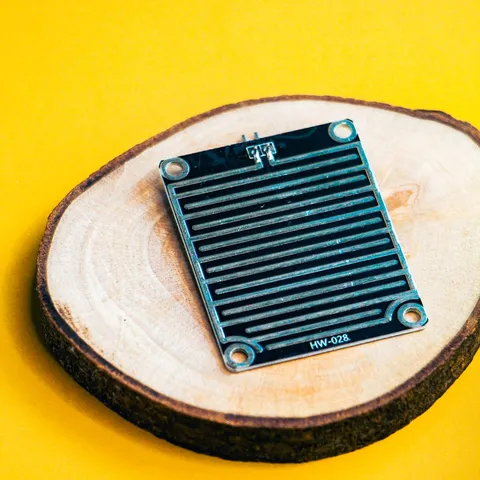
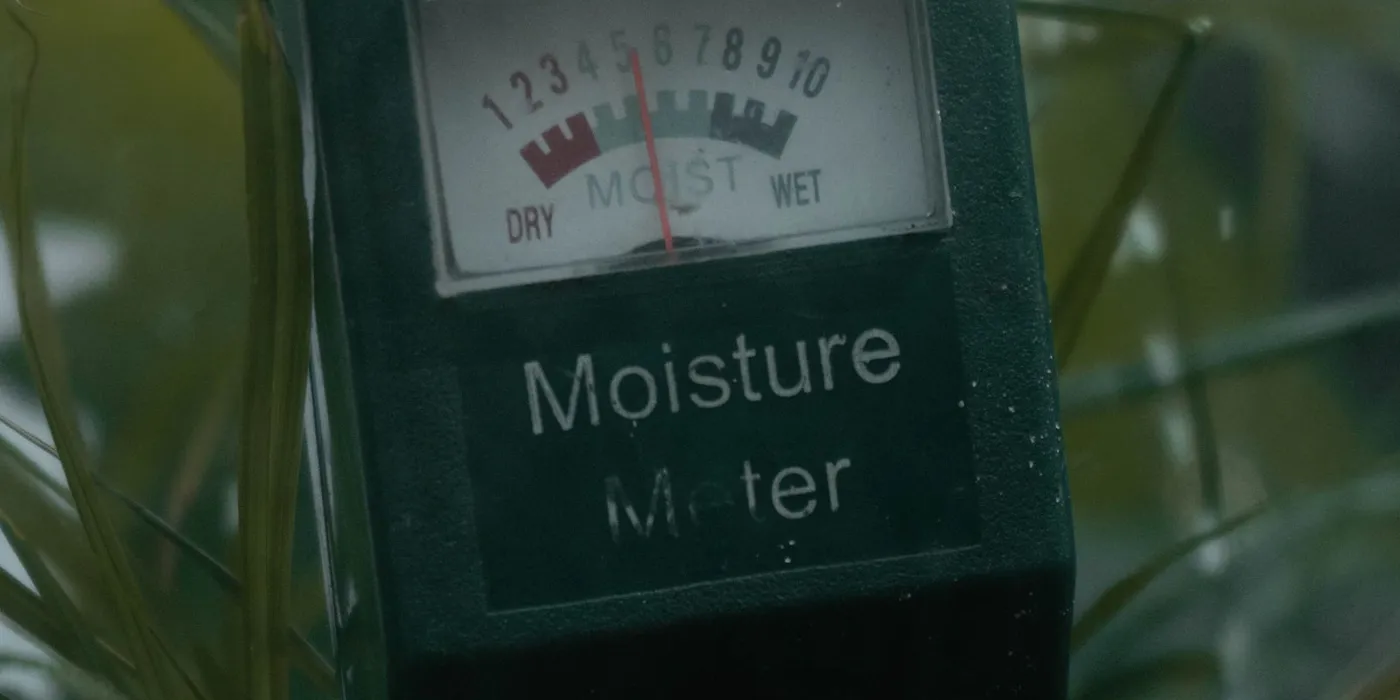
Of those five, capacitive soil moisture sensors and PAR meters return the most useful information per dollar spent. Resistive moisture probes corrode within a season; capacitive sensors don’t have exposed electrodes in contact with the soil, so they last. A cheap lux meter will tell you a plant is getting light — a PAR meter tells you whether it’s getting enough of the wavelengths that matter for photosynthesis.
Where an ESP32 earns its keep
Once you have two or three sensors, an ESP32 or similar low-cost microcontroller with Wi-Fi becomes worth the setup time — it’s inexpensive enough to dedicate one per grow bed, and open firmware like ESPHome removes most of the custom code you’d otherwise have to write.